
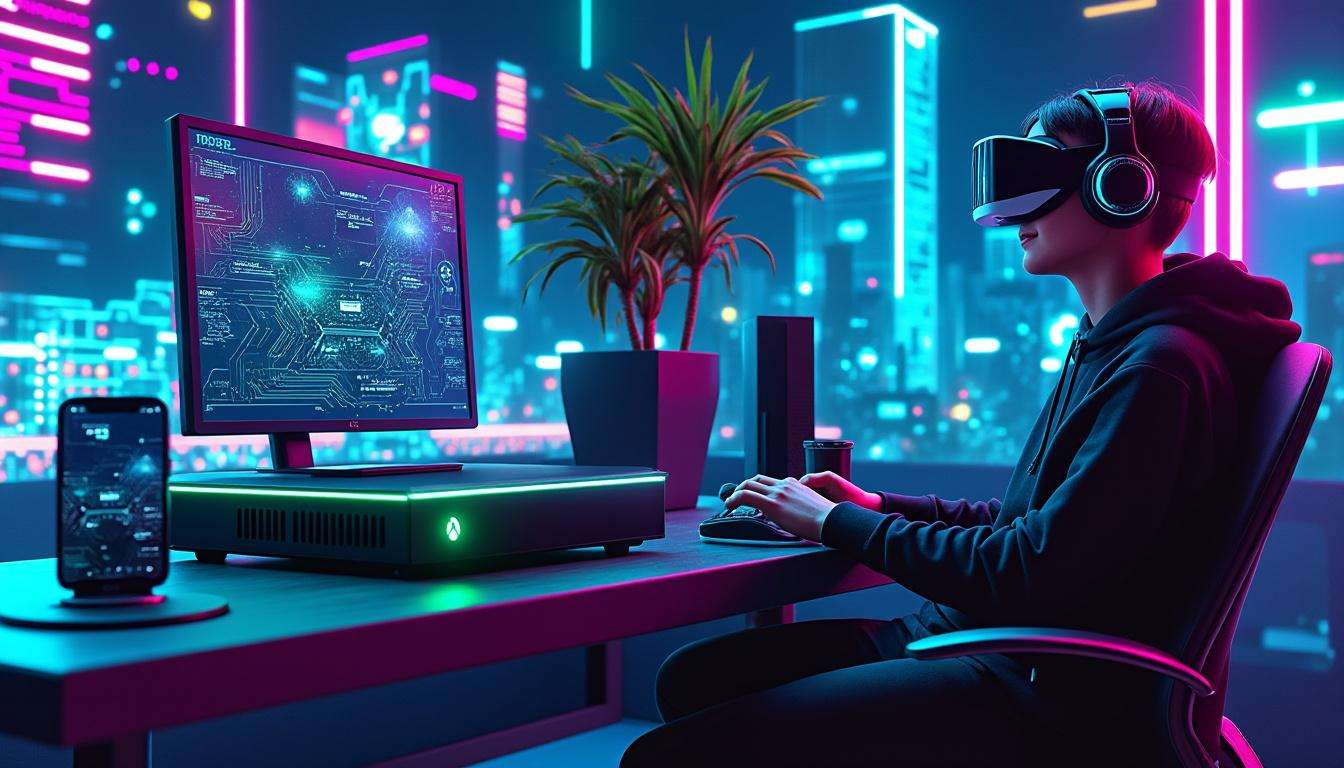
Microsoft plans a bold shift for Xbox 2027. The next-gen console will behave like a living room PC, running a TV-first interface over a full Windows 11 stack. Developers will gain access to both Xbox libraries and Windows storefronts. Players will run console games, PC titles from Steam, and standard productivity apps from the same device. ASUS’ Xbox Ally offered the first public glimpse of this approach. That hardware showed how the Xbox interface can pause background services and return you to a complete Windows desktop on demand. AMD confirmed a semi-custom SoC, internal codename Magnus, with a target launch window in 2027. Microsoft’s Windows and Xbox teams work closely right now to polish the OS for a console-like feel. Expect a phased rollout of features. Microsoft already tests NPU-powered highlights for the Xbox Ally X, with a planned release in March 2026. If the software reaches console polish, the next platform will change how you buy games, where you play them, and how studios build for multiple hardware tiers. This plan risks a lot, because a seamless pivot from Windows to living room simplicity requires tight hardware, careful UI design, and robust developer tools. The payoff would be an expansive Microsoft gaming ecosystem built for choice, not restriction.
Xbox 2027 Vision
The heart of the plan places a full Windows machine under a console shell. The default interface will focus on TV use. You may exit to full Windows for PC apps and customization. ASUS’ handheld preview offered early data for how the ecosystem will behave. Read the device overview at Xbox Ally handheld preview. AMD’s CEO highlighted progress on the semi-custom SoC for a 2027 launch. Microsoft intends to keep backward compatibility across current Xbox libraries. The hardware baseline will deliver the hallmark Xbox experience, while OEM partners will offer both premium and budget variants.
Software Strategy
Microsoft aligns Windows and Xbox to produce a polished, console-style UI over a full desktop. Teams will disable unnecessary services during gameplay. That approach preserves performance while unlocking desktop apps. The NPU-powered highlights feature will auto-create shareable clips from gameplay. That feature aims for rollout in March 2026 on select devices and will inform the next-gen feature set. Expect improvements in input latency, fast resume, and unified achievement tracking across hardware types.
Hardware And Price
Pricing remains fluid because of global tariffs and rising component costs. Microsoft has not fixed a retail price. Analysts discuss a premium tier near $1,000, while lower-cost options will live in the wider OEM ecosystem. Microsoft plans to maintain long-term support for Series X and Series S titles, preserving value for players who own older hardware. OEMs such as ASUS will offer variants, including handhelds and hybrid boxes. For background on PC integration, see Microsoft Xbox PCs gaming.
Ecosystem Options
Microsoft positions the next platform as an ecosystem, not a single SKU. Expect first-party hardware for a flagship experience. Expect partner devices that emphasize portability or price. The Xbox Play Anywhere philosophy will grow, allowing storefront choice and cross-save continuity. Epic and Valve have shown interest in bringing their stores to the platform, widening consumer choice.
- Backward compatibility: Full support for current Xbox libraries.
- PC storefront access: Play titles from Steam and other stores.
- Multiple form factors: Flagship console, handhelds, hybrid boxes.
- NPU features: Automated highlights and in-device AI processing.
- Developer access: Easier submission routes and cross-platform tooling.
For a look at how hybrid hardware might appear, review the upcoming console reports at upcoming Xbox hybrid console. For Steam library details on Xbox PCs, check Xbox PC Steam library.
Risks And Rewards
The biggest risk lies in software polish. Windows needs a predictable, low-latency experience for TV play. Early Xbox Ally builds exposed stability gaps. Microsoft will use telemetry and partner feedback to tighten performance. If the company delivers a smooth UI and strong developer tools, you gain hardware choice and broader storefront access. If the project lacks polish at launch, gamers will stick with Series X and next-gen rivals for longer.
What does Xbox 2027 mean for your game library?
Your existing Xbox titles will remain playable on the next platform thanks to backward compatibility. You will also gain access to PC storefronts for a wider catalog. Developers will target multiple hardware tiers, so your favorite titles will keep receiving support across devices.
Will price make the flagship inaccessible?
Microsoft expects a premium flagship, alongside partner devices that address lower budgets. The firm plans extended support for Series X and Series S, so owners of older consoles will not lose access to new games.
How will developers benefit from this approach?
Developers will access unified tooling across Xbox and Windows. That reduces porting work and opens PC storefront distribution. Microsoft will ease submission pathways and promote cross-play and cross-save where feasible.
When should you expect major reveals?
Microsoft will share more at industry events such as GDC and during targeted partner briefings. AMD’s remarks place a realistic launch window in 2027 for devices using the semi-custom SoC.