

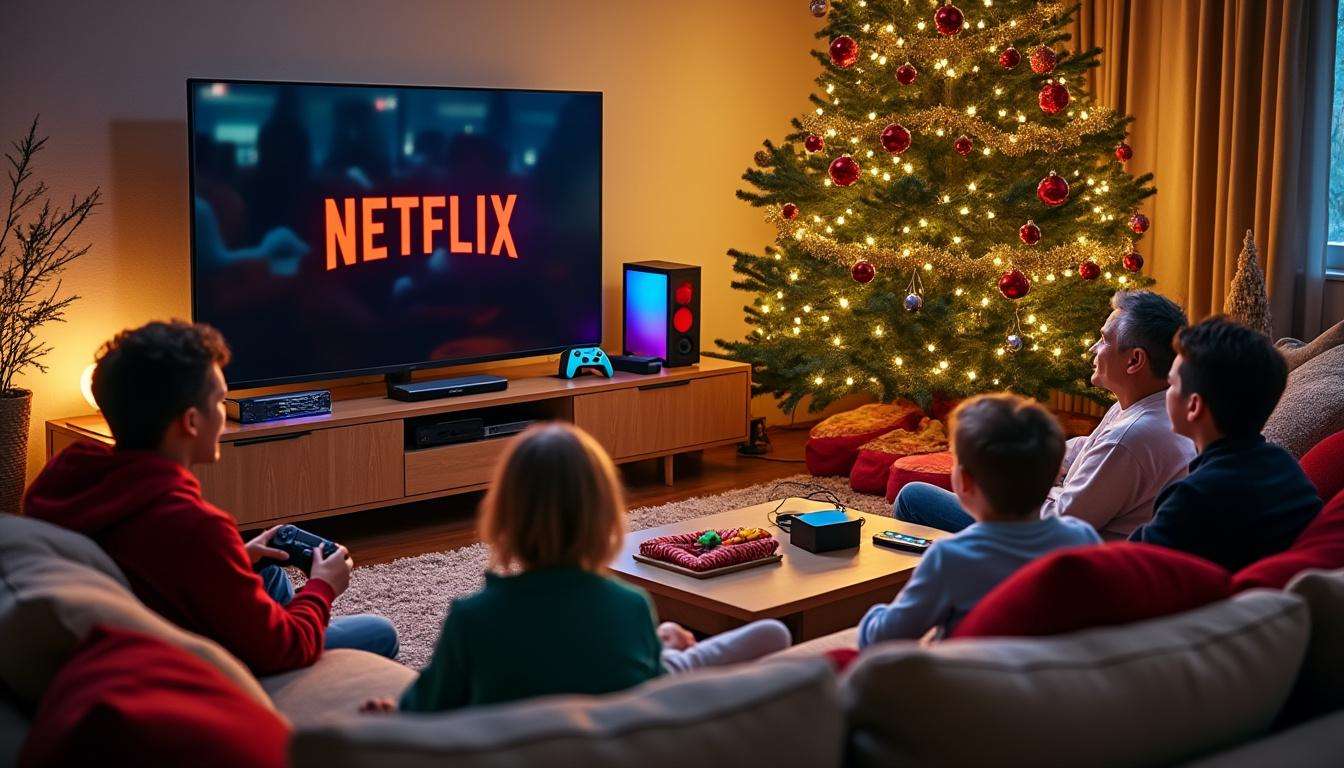
Christmas arrived and disrupted my usual gaming plans. I meant to chip away at my backlog on PC and console. Instead the family found a new habit on Netflix. A simple prompt on our TV led to phone-controlled party games. My 12-year-old paused Fortnite. My four-year-old stopped copying her sibling. My wife and I bought five minutes of calm. The streaming app offered easy entry points for the whole household. Games such as Pictionary, Lego Party, and Boggle ran directly from the TV, with phones as controllers. Play sessions stretched into a week. We logged more than ten hours on those titles alone. The ease of access mattered. The Netflix home screen pushed the games where tired parents and curious kids would find them. The result was a Family gaming lineup that Outplayed our usual PlayStation, Switch, PC, and Xbox rotation. The hit felt simple. No account juggling, no installs, no controller confusion. The stakes stayed low and the fun stayed high. My household’s gaming routine shifted in a way I did not expect. The scene offers a clear signal about how casual party games meet living room habits. That finding matters for anyone who cares about family time and game discovery.
Netflix Family Win
Netflix grabbed attention by putting games where families already gather. The games work on TVs and use phones as controllers. That lowers barriers for players of all ages. My kids jumped in without training. I could sip coffee while they played. The service mixed classic party formats with branded content. Avatars from shows made the experience familiar for the kids. The result was less setup and more play. This approach turned a streaming session into a game night starter. It also blurred lines between watching and playing.
Christmas Lineup
The lineup felt curated for holiday crowds. Pictionary offered simple drawing and guessing rounds. Lego Party delivered more traditional console play for mixed skill levels. Boggle tested word skills and sparked friendly competition. The games fit short sessions after a film or between holiday tasks. They also proved durable enough for repeat plays. My family kept returning to the TV for quick rounds. This steady use shows how distribution matters more than novelty.
Console Versus PC
The Netflix push did not replace core gaming on PlayStation, Switch, PC, or Xbox. Hardcore sessions stayed on the usual platforms. Still, the party titles mugged attention during peak family hours. My backlog sat untouched while the family favored easy, shared fun. The shift echoes broader trends from 2025 and 2026 where handheld devices and hybrid consoles changed session patterns. For context, headlines about the Steam Deck new console and Switch 2 vs PC handhelds shaped handheld expectations. The living room now hosts both deep single player runs and light cooperative games.
Why Kids Loved
Kids responded to low friction and familiar faces from shows. They knew the avatars. They liked phone controls more than complex controllers. The four-year-old navigated an iPad faster than I handled a menu. The 12-year-old enjoyed social rounds without losing ranked progress on other platforms. These outcomes highlight how design for quick onboarding beats raw power during holidays. The insight points to a wider change in how families pick games for shared time.
Netflix Outplayed
Netflix outplayed other platforms in our home by focusing on accessibility. The platform used discovery and placement to reach weary parents and bored kids. That tactic delivered play where it mattered. The shift did not stem from massive technical innovation. It came from placement on an already dominant home screen and from phone-first control schemes. For industry context, articles on Xbox Game Pass family issue and Steam Machine vs PS5 debate show how distribution plays a decisive role. Meanwhile, PC market moves like PC Battlefield 6 sales reveal ongoing shifts in player spending and time allocation.
Key insight, placement wins attention in shared spaces. Netflix used that fact well. The result reshaped one household’s Gaming Lineup for Christmas.
- Low friction entry using phone controllers
- High discoverability via the Netflix home screen
- Familiar IP avatars that lower learning time
- Short session design that suits family schedules
- Cross-age appeal from preschoolers to teens
What This Means For Platforms
Platforms compete on multiple fronts. Power and exclusives still matter for core players. However, presence in shared living spaces now counts as a feature. Handheld and hybrid devices influence how families split play time. Coverage about MSI handhelds and reports on gaming PC vs Xbox highlight hardware diversity. For publishers, the lesson lies in meeting players where they already spend leisure time. That strategy affects discovery and retention in holiday windows.
How did Netflix gain ground on PlayStation and Xbox over Christmas?
Netflix gained ground by offering phone-controlled party games directly from its app. Games required minimal setup and used familiar IP. Families found it easier to join a quick round than to set up consoles.
Are Netflix games replacing traditional console sessions?
Netflix games did not replace core sessions for serious players. They interrupted console time during shared family hours. Expect both formats to coexist, each serving a different play occasion.
Will Netflix expand beyond mobile and party titles?
The service has resources and a user base that support expansion. Industry signals such as handheld innovation and platform strategy suggest room for growth. Watch distribution changes and new launches in 2026 for signs of a broader push.