

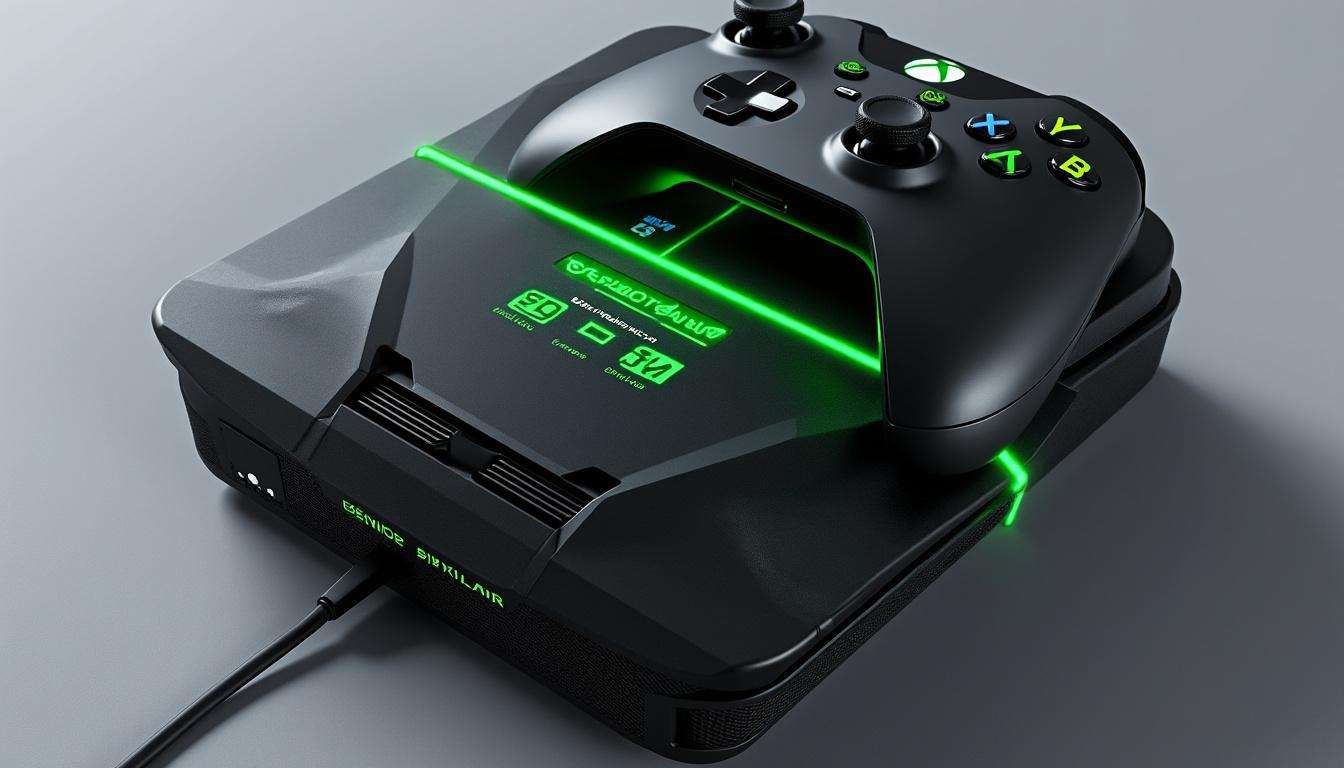
Microsoft confirmed a new console named Project Helix. The announcement frames a hybrid device built to run PC titles and Xbox games inside a single chassis. Gamers reacted fast. Opinions split between excitement over raw specs and concern over price and identity.
Rumors list a mix of high-end components. Sources suggest a CPU with 3 Zen 6 high-performance cores and 8 Zen 6c efficiency cores, a GPU with 68 RDNA 5 Compute Units, an NPU rated for up to 110 TOPS at 6W, and up to 48GB RAM. Performance claims include 4K at 120fps and severalfold gains in rasterization and ray tracing versus Series X. Those numbers push a clear message: this device aims to blur the line between console and gaming PC.
Project Helix ties into Xbox subscription moves and the Gaming Industry trend toward platform convergence. Game Pass already links PC and console libraries. Players who care about exclusivity should prepare for change. The console war conversation now focuses on access and services, not hardware tribes.
Project Helix And Console Wars Surprise
Alex, a pro gamer from Seattle, tested the announcement like a player testing a demo build. The switch to a hybrid model changed expectations. Major studios face new distribution rules for builds and patches.
Community threads compared this move to past console transitions. Some fans fear the end of platform-exclusive launches. Other fans see broader access to big titles as a win for competition and audience growth. Final thought, platform loyalty shifts toward services and libraries.
How Hybrid Hardware Changes Your Library
Project Helix promises native support for PC titles and legacy Xbox games. Developers might target a single Windows build that runs across hardware. That approach reduces separate build targets for console editions and simplifies testing cycles.
Links show industry context. Read a breakdown of the hybrid strategy in this analysis of the next-gen Xbox PC hybrid. For wider Xbox plans, see reporting on Xbox plans for 2026. These pieces illustrate the strategic push toward unified experiences and subscription value.
Practical effect, players gain access to a larger catalog from one device. Expect new cross-play norms and more simultaneous platform releases. Final thought, access beats hardware exclusivity for many players.
Hardware Rumors And Next-Gen Console Performance
Leaked specs paint a powerful system. Public leaks list 12MB L3 cache on the CPU, a GPU with ≥24MB L2 cache, and a neural processor aimed at local AI tasks. Reported NPU numbers support local language models and advanced upscaling.
- CPU: 3 Zen 6 high-performance cores plus 8 Zen 6c efficiency cores.
- GPU: 68 RDNA 5 Compute Units, targeted for 4K at 120fps.
- NPU: Up to 110 TOPS at 6W, 46 TOPS at 1.2W.
- Memory: Up to 48GB RAM for multitasking and mod support.
Third party estimates project six times rasterization performance over Series X and twenty times ray tracing performance. Developers face new optimization targets. Final thought, raw numbers push new standards for game fidelity and AI features.
Pricing Pressure And Market Trends
Component inflation shaped console pricing in recent years. Valve’s hardware moves and market reports showed price swings for similar machines. Steam Machine pricing news flagged supply cost impacts across the industry.
Market Trends for console buyers now include subscription economics as part of value. A hybrid box may raise upfront costs while lowering long term spend for heavy Game Pass users. Final thought, buyers must weigh purchase price against subscription benefits.
Developers, Exclusives And The Gaming Industry Shift
Major publishers already shifted release plans for PC. Some exclusives moved between platforms across recent years. Project Helix creates a strong incentive to build for Windows as a primary target, with backward compatibility preserving legacy libraries.
Developers gain a single delivery pipeline. Players gain broader access to titles. Publishers gain options for simultaneous launches across ecosystems. Final thought, exclusivity becomes a content strategy rather than a hardware selling point.
Tips For Players Preparing For Project Helix
Alex switched his setup approach after the announcement. He prioritized network speed, external storage, and modular controllers. Players can adopt similar moves to get the best from hybrid hardware.
- Upgrade home internet for reliable cloud sync and multiplayer.
- Add fast external SSD for large PC-style game installs.
- Learn controller and keyboard mapping options for cross-platform play.
- Watch pricing announcements and pre-order policies before purchase.
Those steps reduce friction on day one. Final thought, preparation improves your launch experience.
When will Project Helix reach the market
Microsoft confirmed Project Helix as a next-generation project. Console cycles since 2020 suggest a release window around 2028 to 2029. Follow official Xbox channels for final timing.
Will Project Helix run Steam and Epic games
Official details on storefront access remain unconfirmed. The hybrid design targets native Windows support, which increases the chance of broad store access. Watch developer guidance for launch policies.
How will Project Helix affect exclusives
Project Helix aligns with service-first strategies. Expect exclusives to appear across platforms more often, with some titles remaining timed exclusives. The result favors player access over platform lock.
Should you wait for Project Helix before buying
Evaluate your current needs. If you rely on Game Pass and cross-platform play, waiting might make sense. If you need immediate hardware for current releases, pick a setup that fits your budget and upgrade path.