
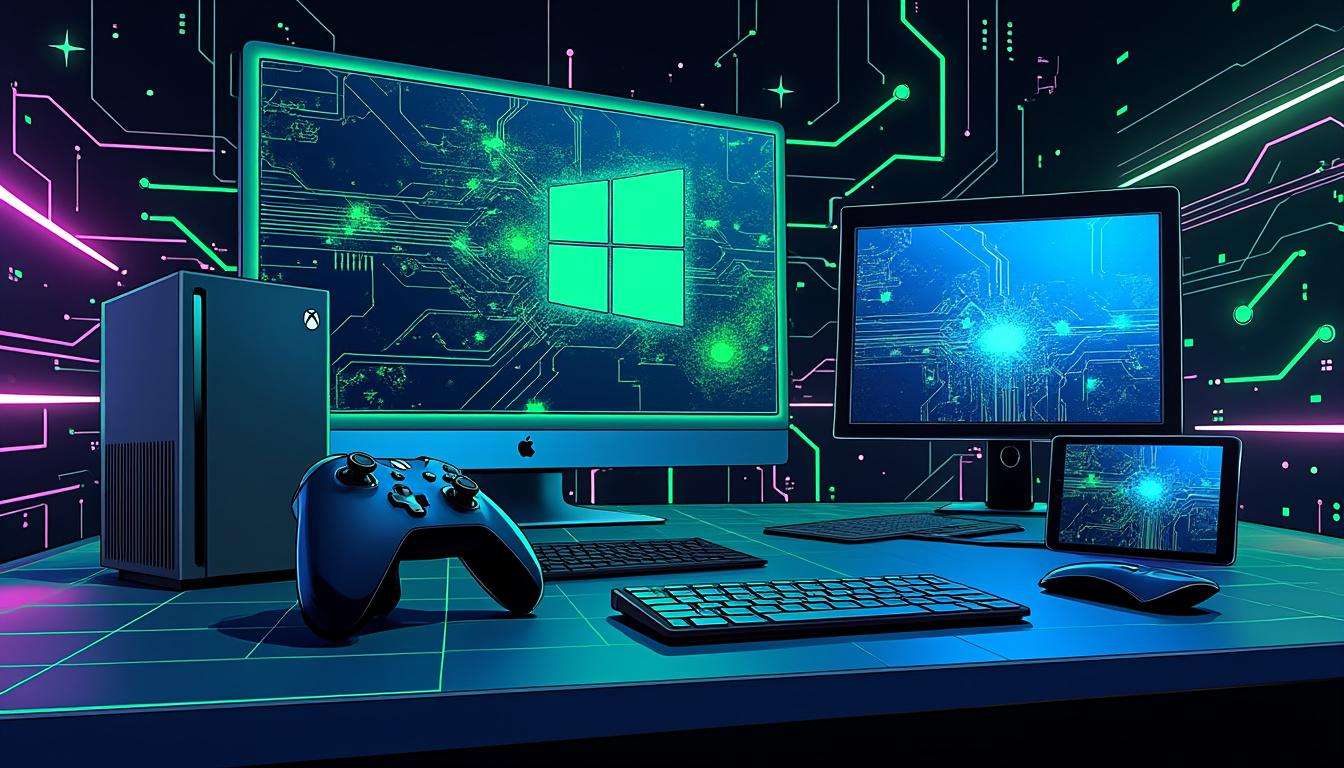
Microsoft pushes the boundaries between console gaming and personal computers. Headlines in 2025 focus on plans to bring legacy Xbox titles to PC gaming and modern portable devices. The story follows Alex Rivera, a pro gamer who grew up on original Xbox classics. Alex tests restored versions on a handheld during a live stream and notices how cloud play and local ports restore frame rates and controls without nostalgia loss. Leaks from trusted sources hint at a program that opens the Xbox catalog beyond consoles, folding older libraries into a single, searchable hub. This approach builds on years of backward compatibility work and the expansion of Game Pass for PC. The result would expand Microsoft reach across platforms, strengthen the gaming ecosystem, and make classic titles accessible to players who avoid consoles. The move ties cross-play, cloud gaming, and game streaming into a single user journey. Players gain seamless progress across devices in a unified account. The end result points toward a cross-platform future where legacy titles find new life on PC and handheld hardware, while Microsoft cements a broader identity for the Xbox brand.
Xbox To PC Shift
Leaks originate from reputable insiders and hardware partners. Reports describe work on ports for original Xbox, Xbox 360, and early Xbox One catalog entries, adapted for modern systems. Alex tests a remastered classic on a gaming laptop and notes smoother menus, preserved physics, and restored achievements. This effort ties cleanly to past Microsoft investments in backward compatibility and the steady growth of PC gaming. The most important point is clear, legacy titles will reach new screens and new players.
Portable Xbox Play
Handhelds such as ASUS ROG Ally and Valve Steam Deck show hardware capable of running optimized legacy titles. Manufacturers work with Microsoft to refine controls and performance for each device. Alex plays a classic shooter on a handheld, enjoying responsive aim and stable framerate after platform-specific tweaks. Partnerships between Microsoft and OEMs aim to deliver native ports or tuned installers through the Game Pass app. The takeaway, portable play preserves the feel of console originals while adding mobility.
Cloud streaming bridges gaps for less powerful devices. Players who prefer lighter hardware access the same library through cloud gaming and game streaming. The core result, players move between screens with no loss of progress.
Cloud Gaming Bridge
Microsoft already operates robust cloud infrastructure that supports Xbox Cloud Gaming inside Game Pass Ultimate. The proposed rollout uses several technical approaches to bring legacy titles to PCs and handhelds. Alex tests a streamed copy and finds load times shorter than historical expectations and input lag reduced to practical levels. The list below summarizes practical implementation routes used by teams during internal trials.
- Native ports distributed through the PC Game Pass library, optimized for modern CPUs and GPUs.
- Cloud streaming through Xbox Cloud Gaming, delivering instant play on low power devices.
- Partnered hardware builds with tuned drivers and control mappings for handheld form factors.
Those options address hardware diversity while preserving save continuity and achievements. Final insight, cloud and local options deliver flexible access for different user needs.
Xbox Library Hub
Microsoft plans a unified library that aggregates titles from multiple storefronts and services into one view. The new hub syncs play history across console, PC, and handhelds. Alex uses the hub to resume a campaign on a handheld after finishing a session on a console. Cross-save and cloud backups keep progress intact and reduce friction for players who switch devices. The concrete effect, Game Pass becomes a single destination for legacy and new releases.
Handheld Xbox Era
The strategy shifts the identity of Xbox toward a platform defined by services and accounts rather than a single console box. Players who never owned an Xbox will gain access to classics through PC gaming storefronts and portable devices. Alex represents a new generation of players who care about access and convenience over hardware loyalty. Market effects include higher Game Pass retention and deeper penetration into handheld markets. Key insight, the move broadens Microsoft influence across the gaming ecosystem.
Impact On Game Pass Value
Adding legacy catalog entries boosts perceived value for subscribers. Players receive genre diversity and historical depth in a single subscription. Alex recommends Game Pass to followers after replaying fan favorites on a handheld during a weekend stream. The net result, subscription appeal increases through nostalgia and broader platform reach.
- Xbox legacy games reach new audiences through cross-platform distribution.
- Cloud gaming offers instant access for portable form factors.
- Game streaming reduces hardware barriers for historical titles.
- Gaming ecosystem growth boosts both PC and console engagement.
Will older Xbox titles appear on PC storefronts?
Microsoft experiments with multiple delivery methods, including native ports and Game Pass distribution. Partners and internal teams prioritize titles with clear licensing and feasible technical upgrades.
Will progress sync between console and handheld sessions?
Cross-save and cloud backups exist for many modern releases. Microsoft extends those systems to legacy titles where technical work allows full save continuity across devices.
What technical hurdles affect classic ports?
Older games use legacy hardware calls and audio licenses. Development teams update engines, rebuild assets, or enable emulation layers when necessary to meet modern performance standards.
How will this change console gaming demand?
Consoles remain appealing for plug and play experiences and local multiplayer. Wider access increases brand visibility and drives subscriptions while preserving demand for dedicated hardware.