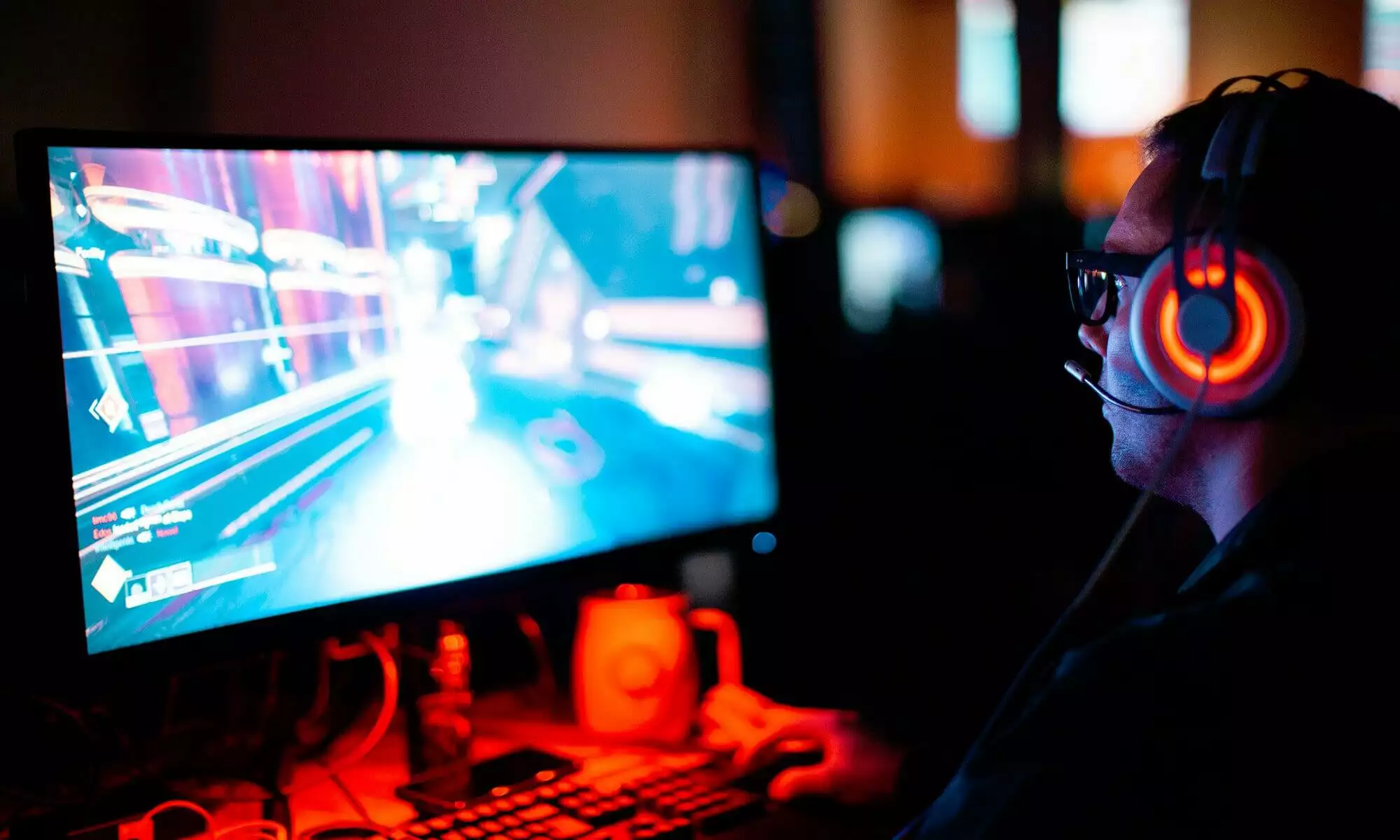
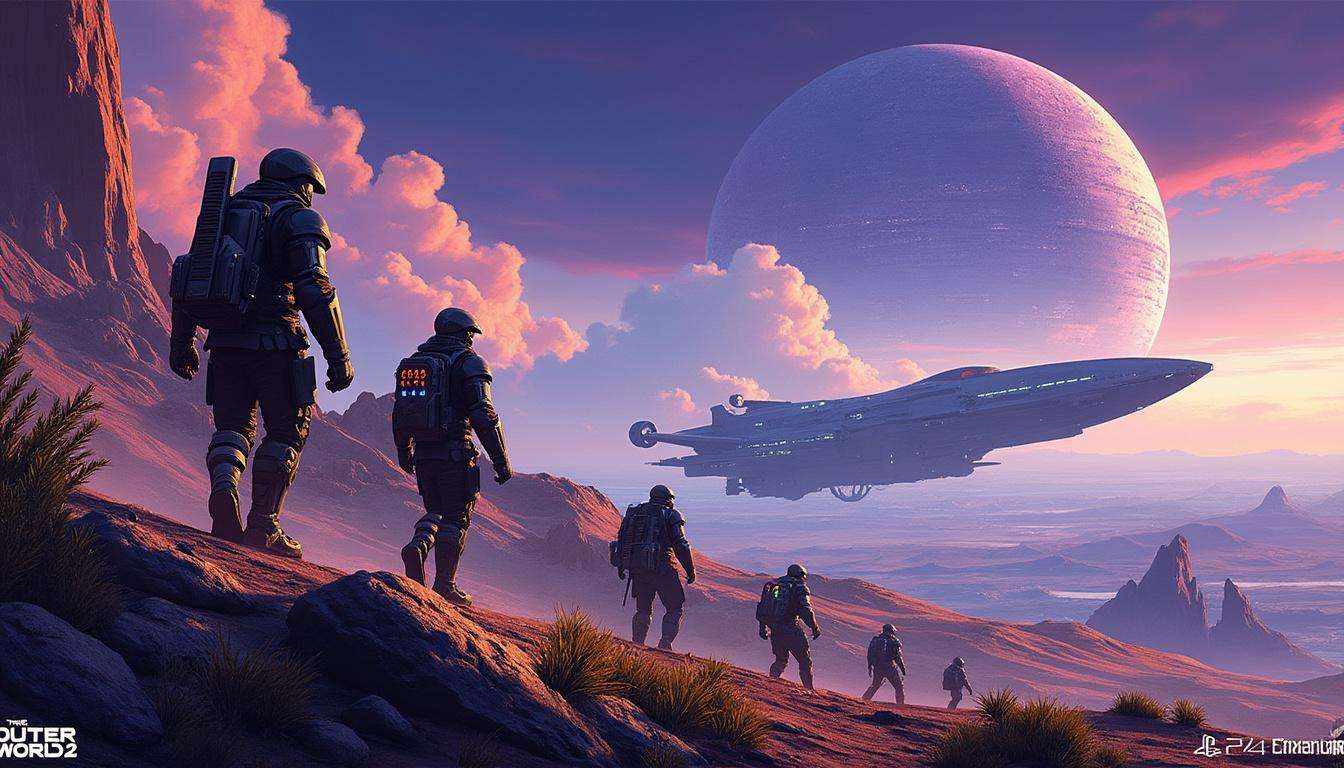
The Outer Worlds 2 arrives as an in-depth review subject for players focused on modern PC gaming, PS5 gaming, and Xbox Series X hardware. This piece compares visuals, performance, and design across platforms while digging into the combat loop, quest structure, and narrative beats. Expect measured impressions from a seasoned gamer who spent dozens of hours exploring planets, testing builds, and replaying key missions to stress systems and choices. The game runs as a single player RPG with a clear focus on player agency and exploration in an open world context, published by Xbox Game Studios and developed by Obsidian Entertainment. This review mixes hands on notes, concrete examples, and gameplay metrics to offer useful guidance for your next play session. Read on for platform comparisons, a focused gameplay analysis, a balanced graphics comparison, and a rigorous storyline evaluation that helps you decide whether to commit hours to this sequel.
Graphics Comparison: PC Gaming Versus PS5 Gaming And Xbox Series X
On high end PC gaming rigs the game offers maxed textures, ray traced reflections, and higher frame targets. I tested a modern GPU and measured steady frame rates with ultra settings during dense combat. The result feels polished and crisp, with rare stutters during scripted sequences.
On PS5 gaming the title provides a quality mode and a balanced mode locked at 40 fps, with visuals tuned to preserve resolution. Xbox Series X uses similar presets and adds a performance target for smoother combat. These modes trade clarity for speed depending on your priorities.
Resolution And Framerate Modes Across Platforms Explained
PC gives flexible options for resolution and frame rate, which matters for competitive build testing and mod usage. Consoles deliver stable presets that favor consistent gameplay in open environments. Each choice affects visual fidelity and responsiveness.
Key insight: pick a mode that matches your play style, favoring frame rate for combat and resolution for exploration.
Gameplay Analysis And Open World Design: Combat Skills And Choices Explained
Combat mixes ranged gunplay with melee options and skill synergies. I experimented with stealth, tech builds, and heavy weapons to test balance. Enemy encounters scale across planets, often rewarding tactical play and environment use.
The open world design fills locations with side missions and environmental puzzles. These tasks reward curiosity but sometimes loop back to similar objectives. NPCs often center around player driven beats instead of living routines.
Companions Quest Structure And Player Agency In The Outer Worlds 2
Companions provide unique perks and mission threads that alter dialogue and rewards. I followed a companion arc that changed an entire faction outcome after one choice. That sequence highlighted how companion presence affects pacing and stakes.
- Varied skill trees that reward specialization and hybrid builds.
- Companion missions that unlock lore and unique equipment.
- Open areas that encourage vertical exploration and hidden objectives.
- Choice mechanics that shift faction relationships and mission availability.
Key insight: build synergy with companions early to unlock powerful late game interactions.
Storyline Evaluation: Writing Tone Choices And Emotional Stakes For Players
Writing returns to Obsidian strengths, with sharp NPC dialogue and faction humor. Major plot beats follow an arc that expands the universe but keeps core motifs from the first installment. Some moments land with real punch while others feel procedural.
As a player I often felt the world framed interactions around my arrival. NPCs tended to react in ways tailored to quests instead of independent routines. This design offers clear gameplay signals but reduces organic immersion in several hubs.
Key insight: the narrative rewards players who engage with side content to unlock stronger emotional payoffs.
Practical Tips For Players Starting The Outer Worlds 2 On PC
Start with a build plan that matches your preferred combat rhythm. Focus on a main skill tree and choose a companion who fills gaps in your play style. Balance exploration with story progress to avoid outleveling quest rewards prematurely.
For players new to the series consult broader RPG context to set expectations. This guide pairs well with resources that compare space RPGs and platform performance. Use the following links for background reading and technical context.
Starfield comparison article,
action role-playing games guide,
PC RPG overview,
console RPG context,
open-world space RPG analysis
Key insight: pair a focused build with selective exploration for sustained challenge and reward.
Which platform offers the best visuals for The Outer Worlds 2
High end PC provides the most visual fidelity with adjustable settings. Xbox Series X offers near PC quality in quality mode. PS5 provides similar presets with a balanced 40 fps option.
How long does a typical playthrough last
Expect 30 to 60 hours for a main playthrough depending on sidequest completion and exploration. Multiple runs exploring different choices add replay value.
Are companions essential for story outcomes
Companions influence mission outcomes and dialogue. Selecting missions tied to a companion unlocks major narrative branches and exclusive gear.
Is the game optimized for high frame rates
PC offers frame rate targets based on hardware. Consoles prioritize visual stability with a performance mode on Xbox Series X and a balanced mode on PS5.