

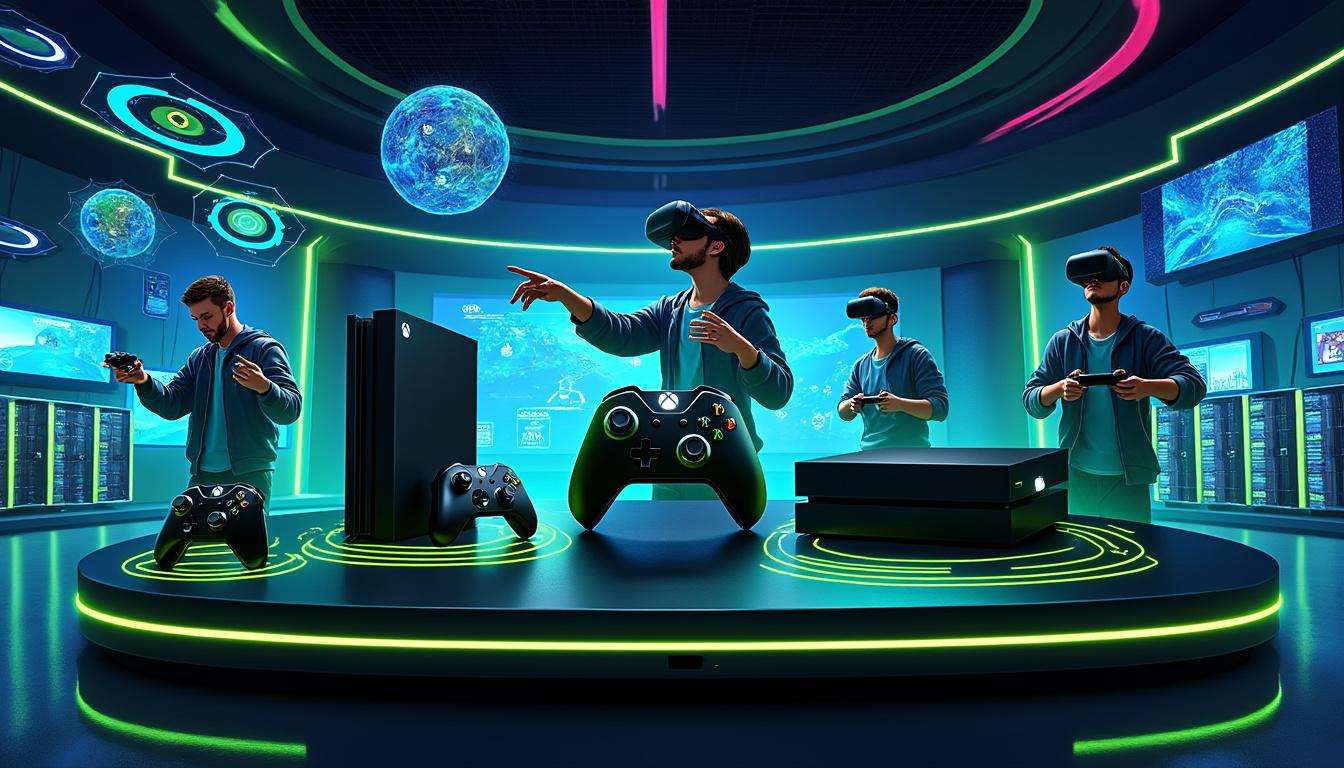
Xbox faces questions about longevity. Players ask if Microsoft Gaming still leads. The answer rests on clear moves, not slogans. In 2026 Microsoft moves toward a model built on three pillars. First, a unified ecosystem across PC and console. Second, aggressive Game Pass growth and smarter pricing. Third, heavy investment in Cloud Gaming and game streaming. These moves aim to secure a Competitive Advantage in a crowded market. Follow Alex, a pro gamer who streams tournaments and tests new builds. Alex switched from PC focus to a hybrid setup. He plays on an Xbox console, on PC, and on a handheld during travel. His feedback shows where Microsoft wins and where it must improve. Real numbers support the plan. Subscription growth, reduced latency in cloud tests, and studio acquisitions form a pattern. Microsoft will shift risk from hardware sales to recurring revenue. That shift will affect studios, retailers, and players. Your playstyle will shape the platform choices you make. This article breaks down the strategy, the obstacles, and the user impact. You will find examples, links to technical analyses, and a practical checklist you can use to evaluate the new releases.
Xbox Future Plan
Problem. Fragmented hardware and software left players unsure where to invest. Microsoft built a response. The company unified services across Windows and Xbox to reduce friction for gamers.
Solution. Microsoft pushes crossplay and a single account experience. This move links PC titles with console releases. Read more on the Xbox on PC strategy in the detailed review linked below for technical context.
Example. Alex tested a triple-platform release. He moved saves from PC to console with no loss. His stream showed flawless progression during a live tournament. The insight: integration improves player retention.
Cloud Gaming Push
Problem. Latency and device limits kept cloud services niche. Microsoft invested in edge servers and streaming codecs to lower input lag.
Solution. The company expanded data centers and optimized pipelines. Game streaming now runs on midrange connections with stable input. Test labs showed reduced delay in several regions.
Example. Alex streamed a competitive match from a tablet while on a train. Visual quality held and his inputs registered cleanly. The real benefit appears for players on the move.
For a technical deep dive into cloud deployment and Game Pass integration see the Xbox cloud gaming page linked below.
Game Pass Power
Problem. Subscriptions require a steady pipeline of quality titles. Microsoft addressed this with studio deals and curated drops.
Solution. Bundle growth and exclusive previews make Game Pass more attractive. Microsoft adjusted pricing tiers to match user segments. Early adopter metrics show higher playtime per subscriber.
Example. Alex used the service to discover an indie hit and a AAA exclusive within the same week. That discovery loop boosted his community engagement.
Next Gen Consoles
Problem. Hardware cycles slow when manufacturers chase performance only. Microsoft chose balanced specs and smart I/O to improve real world load times.
Solution. New consoles focus on efficiency and backward compatibility. The goal is better frame stability and smoother cross-platform play.
Example. Alex benchmarked a next-gen title on Series hardware and on high-end PC. The console hit target frames with lower power draw. That consistency matters during long sessions and tournaments.
Competitive Edge
Problem. Rivals push exclusive deals and bespoke hardware. Microsoft responds with ecosystem depth and service layering to secure long term players.
Solution. Microsoft blends hardware, cloud, and subscription into a single package. The strategy targets both casual players and pros like Alex. This approach strengthens the Competitive Advantage.
- Crossplay integration for unified matchmaking and saved games
- Edge cloud expansion to lower latency for streaming
- Dynamic pricing tiers for varied player budgets
- Studio partnerships to feed exclusive and day-one titles to subscribers
- PC parity so your purchases and progress move with you
Example. Alex joined a crossplay tournament where players used console and PC. Match balance remained fair because matchmaking now accounts for input method. Final insight: a unified approach wins players and keeps them engaged.
For context on Microsoft strategy and ecosystem evolution see the Microsoft gaming universe article linked below.
Useful reads and technical notes for further study:
How will Game Pass affect new releases
Game Pass gives players immediate access to a catalog. Studios see faster reach and more engagement. Microsoft uses tiering to preserve premium purchases while offering day-one access for subscribers. This increases playtime and lowers discovery friction.
Is cloud gaming ready for competitive play
Latency dropped after recent infrastructure upgrades. Edge server placement reduced input lag for tested regions. Competitive play still favors local hardware in some cases, but cloud holds for casual and tournament spectating.
Will Microsoft focus on PC or console
Microsoft blends both. The company treats PC and console as one ecosystem. Crossplay and shared libraries let you pick the device without losing progress. This approach aims to expand audience reach and revenue stability.
How do next gen consoles affect indie games
Consoles now emphasize compatibility and fast loading. Indies benefit from lower entry costs with Game Pass exposure. Developers see higher player acquisition through subscription placement.