

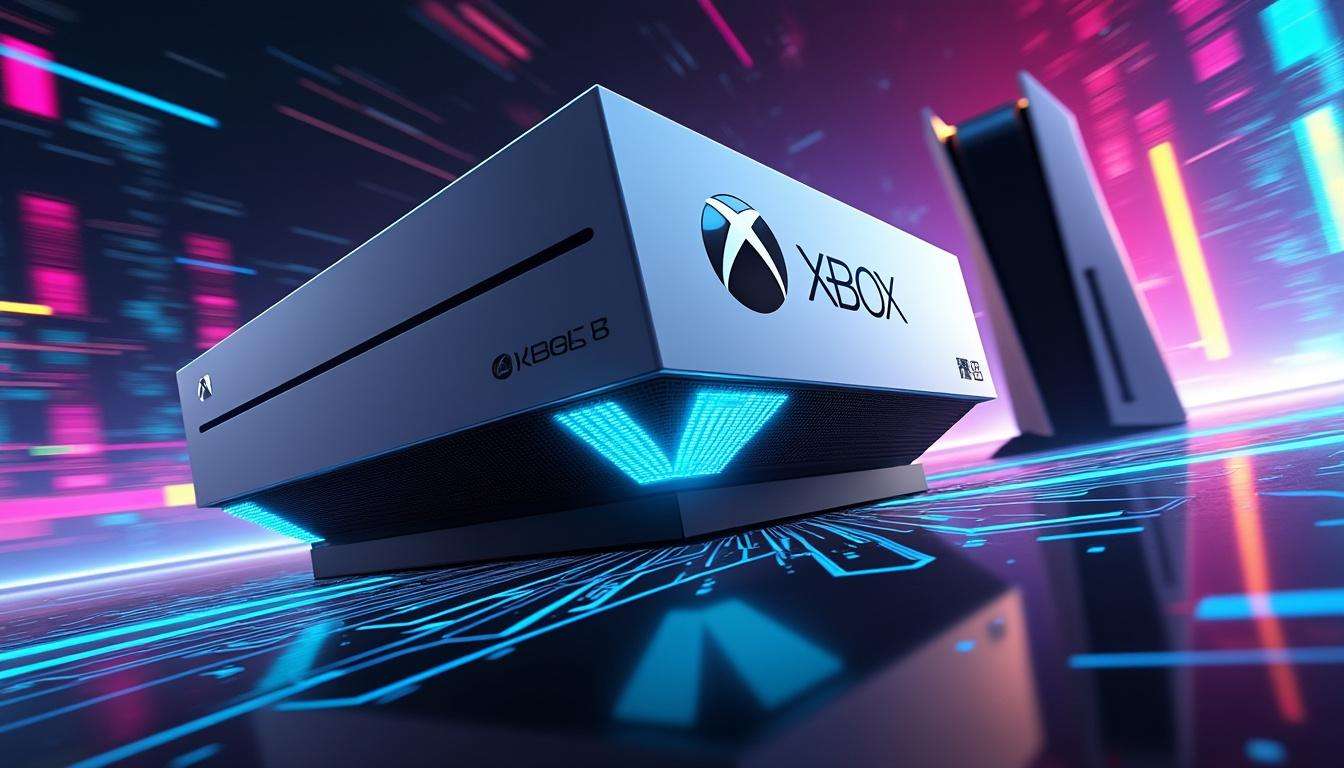
In 2025, whispers about the next Xbox, code-named Magnus, hint at a bold pivot: a console that could outgun PlayStation 6 on raw power while carrying a premium price tag. A detailed breakdown by Moore’s Law is Dead argues that the AMD Magnus APU will be the largest silicon ever used in a gaming console, enabling a power edge over PS6 but at a higher cost. The core idea is a hybrid system that blends console gaming with PC capabilities, potentially letting players run PC titles from other stores in addition to Xbox titles. If accurate, this could reshape expectations for 4K and high-refresh gaming, especially on PC monitors, and would force Sony to defend its own ecosystem around DualSense, PSN, and the broader PlayStation Game Pass ecosystem in a new light.
The credibility of the claims hinges on unconfirmed clock speeds and official confirmation from Microsoft. Yet the narrative has traction in 2025’s hardware discourse: a larger, bridge-die APU with more RAM, paired with Windows-style features, could produce meaningful—but context-dependent—gains in performance. This article examines what the Magnus rumor could mean for gamers, the Xbox Game Studios roadmap, and the pricing dynamics that might accompany a premium, PC-ready console in a market shared with Sony’s PlayStation 6 and its growing services like PSN and DualSense-driven experiences.
Power Race Reframed: Will Xbox Magnus Surpass PlayStation 6 In Performance?
The central claim from MLID is that the Magnus APU will deliver greater raw power than the PS6, driven by a silicon package described as 46% larger than Sony’s upcoming main processor. The design is said to support a more robust RAM configuration and bridge dies that enable PC-like capabilities within a console form factor. If true, Magnus could push 4K at higher frame rates on PC monitors, while achieving more modest gains on living-room TVs.
Key takeaways from the report include:
- AUGMENTED SIZE AMD Magnus APU is described as the largest ever used in a gaming console, with a RAM and bridge-die setup that pluses the potential for higher performance.
- PC-Console Hybrid The design aims to bridge Xbox titles with broader PC gaming stores, expanding access beyond the Xbox Store.
- Performance Delta If pushed to the limits, Magnus might be around a third faster than PS6 in extreme scenarios, but real-world gains could be less dramatic due to diminishing returns on next-gen hardware.
- Display-Targeted Differences The gap could be more noticeable on high-refresh-rate monitors than on large TVs, where motion handling and scaling blur smaller margins.
- Price Implication A more capable chip and PC-like features would contribute to a higher upfront price, potentially in the $800–$1200 range.
For readers following the hardware discourse, these claims intersect with ongoing coverage at sources like Future Xbox vs PS6 Power and Microsoft Xbox Hardware: AMD. They also echo broader questions about how Microsoft’s strategy could influence OEM pricing and PC gaming ecosystems, as discussed in industry analyses and rumors across outlets like Xbox Game Pass affordability and Windows 11 handheld gaming.
Hybrid Console Vision: The Implications Of A PC-Ready Xbox
Beyond raw numbers, the Magnus concept centers on a hybrid experience that goes beyond traditional consoles. The idea is to offer a single device capable of running Xbox titles and PC games from other storefronts, leveraging Windows-like features and a broader RAM budget to appeal to PC enthusiasts as well as console players. This approach would alter how developers optimize games and how players think about upgrades, performance, and compatibility with peripherals.
What this could mean in practice includes:
- Cross-Store Access A bridge between console and PC libraries, potentially expanding the Game Pass ecosystem’s reach while inviting PC players to adopt a unified hardware path.
- Hardware Economics The combination of a larger chip, more RAM, and bridge dies could lift the price ceiling, influencing pricing strategies for competitors and OEMs.
- Display Strategy Power advantages may be realized more clearly on PC monitors, supporting higher frame rates that appeal to competitive players; TV gaming could see more modest gains.
- Software Environment Integration with Windows-style features and a hybrid OS experience would shape how developers target performance and how players access their libraries.
As with any hardware rumor, skepticism is warranted. If Magnus lands closer to a premium, PC-friendly console than a pure gaming box, Sony will likely double down on unique features around DualSense, haptics, and PSN—while pushing price-to-value narratives in their favor. For ongoing context, see analyses and rumors around Xbox hardware and power dynamics, such as the discussions in Hideo Kojima’s Xbox collaboration trailer coverage and broader power comparisons at Future Xbox vs PS6 Power.
Pricing Pressure And Market Signals: Will The Premium Move The Needle?
Price positioning is a core driver of this debate. MLID’s estimate places the Magnus price somewhere in the $800–$1200 range, a premium that reflects its larger silicon, RAM footprint, and PC-ready ambitions. If true, the device could catalyze a broader conversation about how console pricing interacts with PC component markets and prebuilt gaming desktops, potentially nudging OEMs to rethink price-to-performance expectations.
Industry observers expect Sony to respond with competitive hardware and service adjustments, while Microsoft could leverage bundles, Game Pass integrations, and cross-platform promotions to justify the premium. The discussion also touches on how ecosystems like PSN and Xbox Game Studios intersect with upcoming titles and services across the broader console landscape.
For deeper dives into pricing and market effects, explore analyses such as Gaming PC vs Xbox 360-era price dynamics and Xbox Game Pass price changes. The conversation remains ongoing as 2025 unfolds, with gamers weighing the value of premium power against the cost of entry to a potential Windows-powered Xbox future.
What 2025 And Beyond Could Look Like: Titles, Services, And Ecosystem Shifts
The rumor-set touches not just hardware but the broader software and services landscape. If Magnus enables a PC-like experience, Game Pass could become even more central, while Sony’s PSN and exclusive partnerships will need robust responses to maintain momentum. The cross-pollination between platforms could influence how publishers price, launch, and support titles across Xbox Series, PlayStation 6, and PC ecosystems.
Key considerations include:
- Game Pass Expansion More titles, better day-one access, and potential cross-ecosystem features could redefine value perception.
- First-Party Lineup Xbox Game Studios could leverage a stronger hardware narrative to secure high-profile exclusives and timed collaborations.
- Third-Party Partnerships PC storefronts and console ecosystems may adapt pricing or optimization strategies in response to Magnus’s PC-like capabilities.
- Next-Gen Titles With rumors of upcoming games and collaborations (e.g., Arc Raiders, Indiana Jones), the software side will be a critical driver of hardware interest.
Readers can follow related developments through linked analyses and updates, including coverage of Windows-based handheld gaming and hybrid PC-to-console pathways: Windows 11 handheld gaming and Handheld PC to Xbox ally. Additional context emerges from coverage of the broader console wars and upcoming titles across the ecosystem, such as Xbox Series upcoming titles and Arc Raiders Xbox features.
FAQ
Will the Magnus APU really be 46% larger than PS6’s main processor?
The claim comes from MLID’s analysis and foundation described in their video. Until Microsoft confirms official specs, it remains a rumor, albeit a plausible one given the direction of next-gen hardware debates.
When could we see the Magnus launch, and at what price?
There is no official date. Estimates in the Rumor Mill place a premium price range around $800–$1200, reflecting the anticipated hardware size and PC-like capabilities. Real-world availability depends on manufacturing and supply-chain factors in 2025–2026.
How would this affect Game Pass and Xbox versus PlayStation ecosystems?
A more powerful, PC-ready Xbox could strengthen Game Pass value through broader library access and potential cross-store play, while Sony would likely lean into PSN enhancements, exclusive games, and hardware features like DualSense to remain competitive.
Could this change PC pricing or OEM practices?
If the console acts as a bridge to PC gaming with Windows 11 features, OEMs might feel market pressure to align pricing with a new baseline for high-end gaming desktops and laptops, potentially curbing extreme prebuilt pricing for similar performance.
For more background on these trends, explore: Microsoft Xbox Game Pass, Game Pass lineup, New Xbox Game Pass arrivals, and Xbox Game Pass subscriptions.