
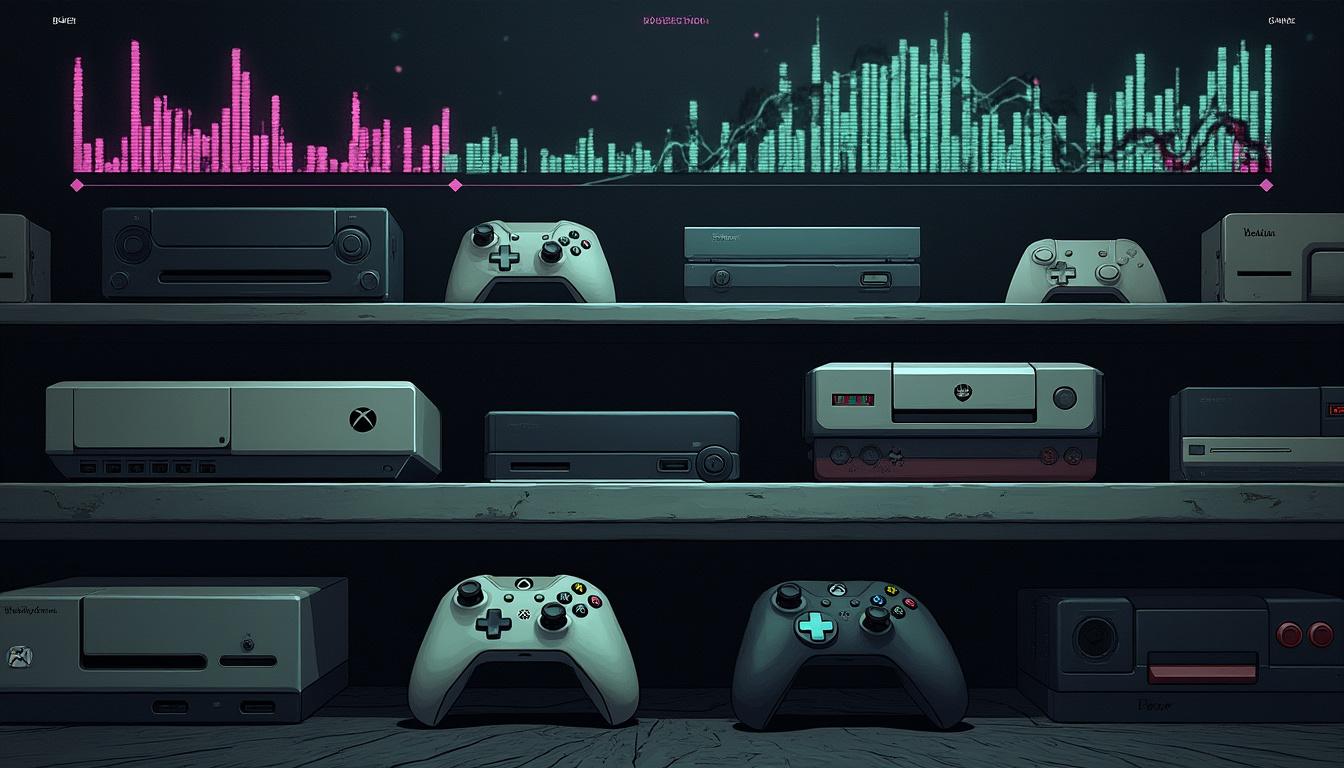
November data exposed a sharp shift across the Gaming Industry. Circana numbers show total U.S. game spending fell 4% year over year to $5.9 billion. Hardware unit sales reached 1.6 million, the weakest November for hardware since 1995. Hardware spending dropped 27% to $695 million. Physical game sales tumbled 14%. Subscription spending rose 16%, but that rise failed to offset declines in other areas. The trend touches Xbox, PlayStation, and Nintendo simultaneously, signaling a broad Market Decline rather than a single brand problem.
Price pressure leads the list of causes. Average hardware price hit $439, up 11% year over year. Xbox listing prices rose over 30% on average. The Switch 2 sold fast at launch, yet higher base pricing and fewer discounts reduced November unit counts versus the original Switch first November. Component cost inflation, from DDR5 memory to NVMe storage, now changes the economics of console launches. Consumer behavior shifted as players weigh value across platforms, including PC. Expect this trend to shape Console Sales and future product plans.
Console Sales Drop
Circana data shows broad declines across hardware, software, and accessories. Hardware spending fell 27% year over year. Unit sales slid to 1.6 million in November, a record low for that month since 1995. The Sales Drop affects every major brand.
Xbox Fall Details
Xbox Series hardware posted a 70% decline in unit sales year over year. Average price increases exceeded 30%, a large barrier for many buyers. Microsoft pushed PC integration and handheld moves during the cycle.
Sam, a competitive player, planned a Series X purchase. High street prices pushed Sam toward a PC build and the Xbox Ally handheld option. That switch illustrates a change in Consumer Behavior. The move to PC plays into broader trends found in an article about PC momentum.
Xbox Ally handheld helped some players stay in the Microsoft ecosystem while avoiding full console cost. Industry coverage of price adjustments appears in a separate report on Microsoft price report.
PlayStation Drop
PlayStation 5 sales fell more than 40% year over year. Despite that decline, PS5 held top vendor status for the month. Strong first-party releases helped, but high console prices reduced upgrade activity among casual players.
Sony still uses exclusive titles to drive demand. Gamers who prioritize franchise experiences remain inclined toward PlayStation. Publishers reported lower full game dollar sales even for big franchises, which shows deeper Market Decline effects.
Hardware Price Rise
Average paid price rose to $439 per unit in November. Rising component costs push wholesale prices higher. DDR5 and NVMe price spikes inflate PC and console bills alike.
Valve rumors and PC component reports connect to console pricing stress. Builders delay purchases when RAM and storage spike, and publishers factor those costs into hardware strategies. See industry coverage on component impacts in this report.
Valve Steam Machine rumor presents another angle on price sensitivity. PC momentum analysis appears in a broader article about how PC gaming thrives alongside console shifts, useful for players who weigh platform choices.
Nintendo Resilience
Nintendo family sales dipped about 10% year over year. That decline looks modest next to other platforms. The Switch 2 remains historically fast for initial sales, yet higher retail price limited November gains versus the original Switch first November.
Nintendo benefits from a loyal user base and handheld appeal. Sales show resilience where value perception remains strong. For deeper context on handheld market shifts, review this handheld sales analysis.
Switch 2 sales analysis outlines pricing effects on handheld adoption.
Software And Subs
Physical game sales fell 14% year over year, the weakest November for physical software since 1995. Subscription spending rose 16%, a partial offset for publishers. Top franchises still sell, but full game dollar sales slipped into double digits of decline for some major releases.
Call of Duty franchise topped monthly charts, yet reported lower full game revenue compared with the prior year. This outcome signals changes in purchase timing and value perception for players.
- Price checks first, compare launches, discounts, and bundles.
- Consider subscriptions when access beats ownership for your play habits.
- Watch component trends for PC build timing and value windows.
- Track platform exclusives to prioritize purchases that matter for your play style.
- Follow market reports to spot seasonal deals and retailer stock moves.
Players and industry actors face a choice. Manufacturers must balance margins and affordability. Gamers must choose where value appears, between consoles, handhelds, and PC. For a deep dive on console declines, consult an analysis on the broader fall in hardware demand.
console decline analysis covers hardware trends and consumer shifts. For broader market context across regions, see this revenue overview.
European gaming revenue gives a regional view of spending shifts.
For coverage on ongoing pricing pressures and how retailers respond, read this piece on price hikes affecting console lines.
console price hikes coverage explains retailer strategies and discount patterns.
Why did console sales fall so sharply in November 2025
Circana data points to rising hardware prices, weaker demand, and lower accessory and physical game spending. Component cost inflation pushed retail prices higher, and average paid price rose to $439 per unit, reducing purchase intent for many players.
Which console suffered the largest drop
Xbox Series family saw the steepest decline, about 70% year over year in unit sales. Price hikes played a major role, along with some players shifting toward PC and handheld options.
Are subscriptions offsetting retail declines
Subscription spending rose 16%, helping publishers and platforms. Subscriptions provided steady revenue, but increases did not fully offset declines in hardware and physical software revenue.
How should players approach purchases now
Prioritize value for play habits. Compare bundle pricing, subscription access, and secondhand markets. Monitor component price trends for PC builds and shop during known discount windows.